
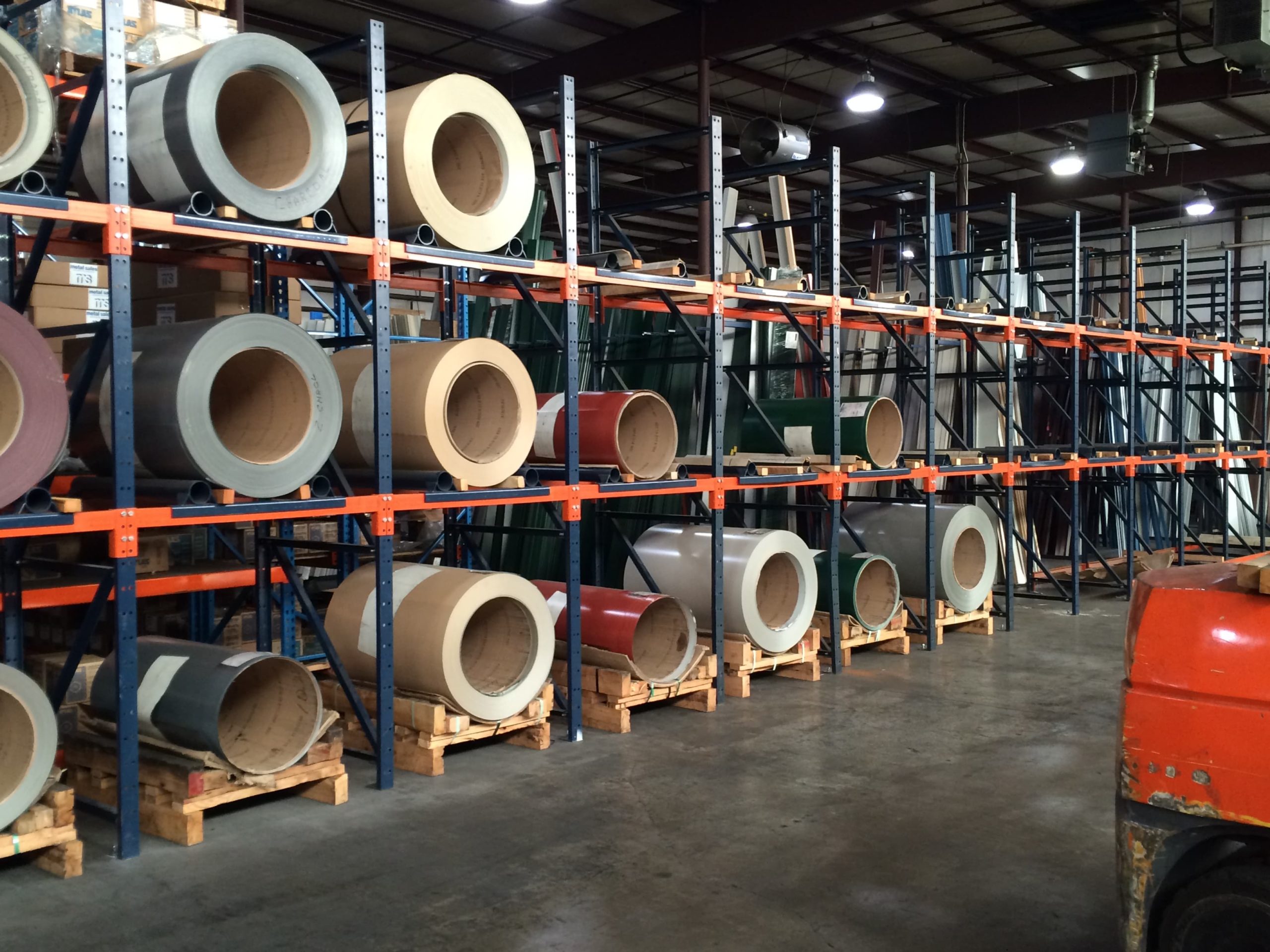
Coil racks are designed to safely support and organize heavy steel coils, wire coils, and cable reels in industrial storage environments. Storing coils directly on the floor is common, but it limits vertical space, reduces efficiency, and can create safety concerns. Heavy duty coil racks allow facilities to stack coils vertically while maintaining stability, accessibility, and better overall warehouse organization.
Midwest Material Handling supplies new and used coil racks throughout Ohio and the surrounding Midwest region. These systems are built using heavy duty structural selective pallet rack components engineered to handle concentrated point loads created by steel coils. Structural I beam construction provides the strength required for high capacity applications, repeated forklift activity, and long term use in demanding manufacturing and metal service environments.
As a reinforced configuration of selective pallet rack systems, coil racks are designed specifically for cylindrical loads that differ significantly from standard palletized inventory. Proper frame selection, beam capacity, anchoring methods, and cradle design are critical to safely supporting coil weight and maintaining long term rack integrity in real world operating conditions.
What Are Coil Racks?
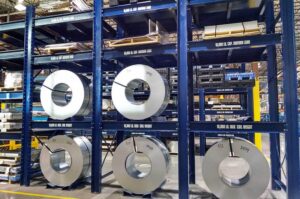
Coil racks are a heavy duty configuration of selective pallet rack systems engineered specifically for storing large steel and metal coils. Unlike standard roll formed pallet rack designed for evenly distributed pallet loads, coil rack systems are built from structural steel I beam components designed to handle concentrated point pressure and extreme weight per position.
These systems are commonly used in steel service centers, manufacturing facilities, stamping operations, and industrial warehouses where coils are too heavy or unstable for palletized storage. By incorporating reinforced frames, high capacity beams, and properly designed cradles or saddles, structural coil racks allow coils to be stored multiple levels high while remaining stable, accessible, and secure.
Because coil storage presents unique load distribution challenges, each system must be engineered around coil diameter, weight range, beam span, rack height, and handling equipment. When properly designed, structural coil racks improve space utilization, increase safety, and create a more organized storage layout compared to floor stacking.
Structural Coil Rack Design Features
Structural coil racks are engineered differently than standard roll formed pallet rack due to the concentrated weight and cylindrical shape of steel coils. These systems utilize components found in our structural pallet rack systems, providing greater resistance to deflection, impact, and long term stress under heavy loads.
Because coil loads are transferred through cradles and beam contact points rather than evenly across a pallet surface, structural components must be selected to manage both vertical load and deflection resistance.
Key structural features include:
- Heavy duty structural I beam uprights and beams
- High load capacity per level and per frame
- Increased resistance to forklift impact
- Reinforced base plates and anchoring
- Configurations designed specifically for vertical coil storage
- Compatibility with engineered coil cradles and saddles
These features make structural coil racks a dependable solution for facilities handling high weight, high value coils in daily production environments.
Coil Rack Capacity and Load Ratings
Because steel coils create concentrated point loads rather than evenly distributed pallet weight, coil rack capacity must be engineered for the specific application. Design calculations consider static load, dynamic loading during forklift placement, beam deflection limits, and long term structural performance.
Typical engineered capacity ranges include:
- 5,000 to 30,000 pounds per coil
- 20,000 to 40,000 pounds per rack level
- 60,000 to 120,000 plus pounds per upright frame, depending on height and configuration
Actual capacity depends on coil diameter, coil weight, beam span, cradle design, rack height, and handling equipment. Structural frame selection and anchoring methods are critical to maintaining long term rack integrity under repeated loading conditions.
Common Coil Rack Heights
One of the primary advantages of coil racks is the ability to utilize vertical warehouse space safely.
Common upright heights include:
- 18 foot uprights for lower clearance facilities or smaller coil diameters
- 20 foot uprights, commonly used for three level coil storage
- 22 to 24 foot uprights for larger coils or future expansion planning
A 20 foot structural upright is often ideal for storing three coils vertically, one at floor level and two elevated, while maintaining safe forklift clearance and handling visibility.
Structural Beam Spans and Ratings
Beam selection plays a critical role in coil rack system performance. Because coil weight is transferred through cradles or saddles, beam span and section size must be selected to limit deflection and distribute load effectively across the frame.
Common beam spans include:
- 72 inch beams, most common for industrial coil storage
- 84 inch beams for larger diameter coils
- 96 inch beams for engineered heavy capacity applications
For applications involving 10,000 pound coils, beam pairs are commonly engineered to support 25,000 to 30,000 pounds per level to account for safety factors and dynamic loading. Structural I beam construction provides significantly greater resistance to deflection and impact compared to roll formed beam systems.
Coil Cradles and Saddle Options
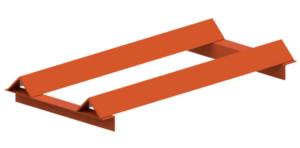
Most coil rack systems rely on engineered coil cradles or saddles to support cylindrical loads and prevent rolling. Unlike palletized storage, steel coils concentrate weight at two contact points, making proper cradle design essential for load distribution and beam protection.
Standard coil cradles are commonly designed for:
- 30 inch to 48 inch outside diameter coils
- Up to 10,000 pounds per coil
These cradles are significantly heavier than drum supports or standard pallet accessories. They are designed to distribute weight evenly across both structural beams while limiting deflection and reducing stress on the rack frame.
For larger diameter coils or higher weight applications, custom cradle and saddle designs are available. Cradle width, contact surface, reinforcement, and attachment methods are engineered based on coil size, weight range, and handling equipment to ensure stable placement and safe long term storage.
Proper cradle selection is critical in heavy duty coil rack systems, as it directly impacts load transfer, beam performance, and overall rack integrity.
Floor Slab and Point Load Considerations
Unlike palletized loads that distribute weight across a broader surface area, steel coils create concentrated point loads on both the rack system and the concrete floor. Because of this, floor slab condition and reinforcement must be evaluated as part of the overall coil rack design process.
Important considerations include:
- Slab thickness and concrete strength rating
- Reinforcement below rack uprights
- Load concentration at upright base plates
- Load distribution under floor stored coils
- Cradle contact surface and beam transfer points
In many industrial facilities, a six inch reinforced concrete slab is sufficient for coils in the 10,000 pound range. However, slab capacity should always be reviewed in relation to total rack height, cumulative load per frame, and dynamic loading during material handling.
Proper evaluation of floor conditions helps prevent cracking, long term settlement, and structural instability. Integrating slab review into the rack design process ensures safe, reliable performance over the life of the system.
Coil Rack Design and Installation Services
Designing a structural coil rack system requires careful evaluation of load conditions, storage height, and material handling methods. Because steel coils generate concentrated point loads and dynamic impact during placement, proper engineering is essential to ensure long term performance and facility safety.
Midwest Material Handling works directly with manufacturing facilities, metal service centers, and industrial operations to design coil rack systems based on real world operating conditions. Each system is configured using heavy duty structural selective pallet rack components selected for high capacity performance and resistance to deflection and impact.
Our design process considers:
- Coil diameter and weight ranges
- Required vertical storage levels
- Forklift or crane handling methods
- Beam span and frame capacity
- Cradle and saddle configuration
- Floor slab condition and anchoring requirements
We provide professional coil rack installation services throughout Ohio and the surrounding region, with local and regional installation crews available for engineered structural rack systems. Our team ensures proper layout alignment, anchoring, and structural assembly so your coil storage system performs safely under actual loading conditions.

Get Help Selecting the Right Coil Rack System
Selecting the right coil rack system involves more than choosing upright height and beam size. Because coil storage creates concentrated loads and unique handling requirements, each system must be configured around your specific operation.
Our team will help you evaluate:
- Coil diameter and weight ranges
- Required storage height and number of levels
- Forklift or overhead crane handling methods
- Cradle and saddle configuration
- Floor slab condition and anchoring requirements
- Future growth and expansion plans
Whether you need a single row of structural coil racks or a fully engineered multi level storage system, we can help you design a safe, high capacity solution built for long term performance.
Contact Midwest Material Handling to discuss your coil storage application and receive a layout and capacity recommendation tailored to your facility.
Why Choose Midwest Material Handling?
Midwest Material Handling brings over 30 years of experience designing and installing structural storage systems for industrial facilities. We understand the engineering considerations required for high capacity coil storage, including concentrated point loads, dynamic forklift impact, anchoring requirements, and long term structural performance.
Our team works directly with plant managers, operations leaders, and facility engineers to design coil rack systems built around real world operating conditions rather than catalog specifications alone.
We provide:
- Structural coil rack systems engineered for demanding applications
- New and used heavy duty rack options
- Application specific capacity planning
- Engineered layouts and professional installation
- Service throughout Ohio and the surrounding region
From initial layout through final installation, our goal is to deliver a safe, durable coil storage system designed for long term reliability and efficient material handling.
Coil Rack FAQs
How much weight can coil racks hold?
Coil racks are engineered based on the specific application. Most structural coil rack systems are designed to support between 5,000 and 30,000 pounds per coil. Total capacity per level and per frame depends on coil size, rack height, beam span, and cradle configuration.
How high can coils be stored in a coil rack?
Many coil rack systems are designed for vertical storage, commonly allowing coils to be stored two or three levels high. A 20 foot structural rack is often used for three high storage, with one coil at floor level and two stored within the rack structure.
Are coil racks built from standard pallet rack?
Coil racks are built using heavy duty structural selective pallet rack components, not standard roll formed rack. Structural I beam construction is required to handle concentrated point loads and resist impact from material handling equipment.
Do coil racks require special supports?
Yes. Most coil rack systems use engineered cradles or saddles to prevent rolling and distribute weight evenly across the rack beams. Proper cradle design is critical to load transfer and overall rack integrity.
Can coil racks be customized?
Yes. Coil rack systems are commonly customized based on coil diameter, coil weight, storage height, handling equipment, and floor slab conditions. Beam spans, cradle designs, frame capacity, and anchoring methods are configured to match the specific application.
Contact Midwest Material Handling to discuss your coil storage requirements and receive a professionally engineered layout recommendation.