

Loading dock bumpers are one of the most important components of any loading dock system, yet they are often overlooked until damage occurs. The right loading dock bumper protects your building, dock equipment, dock seals, and loading dock infrastructure from costly trailer impacts that occur during daily loading operations.
Many facility managers assume all dock bumpers are the same. In reality, selecting the proper loading dock bumper requires evaluating trailer traffic, loading dock conditions, trailer movement, dock equipment, and the amount of protection required. A bumper that works well for a small warehouse may be completely inadequate for a busy distribution center operating multiple shifts and handling dozens of trailers each day.
This dock bumper selection guide explains how to choose the proper loading dock bumper for your application and avoid common mistakes that can lead to expensive repairs, excessive maintenance, and premature equipment failure.
Why Loading Dock Bumpers Matter
Every time a trailer backs into a loading dock, impact forces are transferred to the building. Without proper protection, these repeated impacts can damage concrete dock walls, dock levelers, dock seals, trailer restraints, and other loading dock equipment.
Contrary to popular belief, dock bumpers are not designed to stop a trailer. Their primary purpose is to absorb impact and maintain the proper stand off distance between the trailer and the building. This cushioning effect helps protect the loading dock while reducing wear on equipment and building structures.
Even low-speed trailer impacts create substantial force. Over time, repeated contact can lead to cracked concrete, damaged dock equipment, torn dock seals, and costly repairs that far exceed the cost of properly selected dock bumpers.
Step 1: Evaluate Your Loading Dock Traffic
The first step in selecting a loading dock bumper is understanding how frequently trailers use the dock. Traffic volume has a direct impact on bumper wear and the level of protection required.
A small warehouse receiving a few deliveries per day has very different needs than a high-volume distribution center operating around the clock. Facilities with light traffic may perform well with molded dock bumpers or standard laminated dock bumpers. Manufacturing facilities, regional warehouses, and food processing plants generally benefit from laminated dock bumpers due to their superior durability and impact absorption.
At the high end of the spectrum are distribution centers, e-commerce fulfillment facilities, and cross-dock operations. These facilities often experience constant trailer movement and typically require more robust protection, including steel face dock bumpers and other heavy-duty impact protection systems. As a general rule, the more trailer traffic a facility experiences, the more durable the dock bumper system should be.

Step 2: Understand the Difference Between Laminated and Molded Dock Bumpers
Most loading dock bumpers fall into one of two categories: laminated dock bumpers and molded dock bumpers.
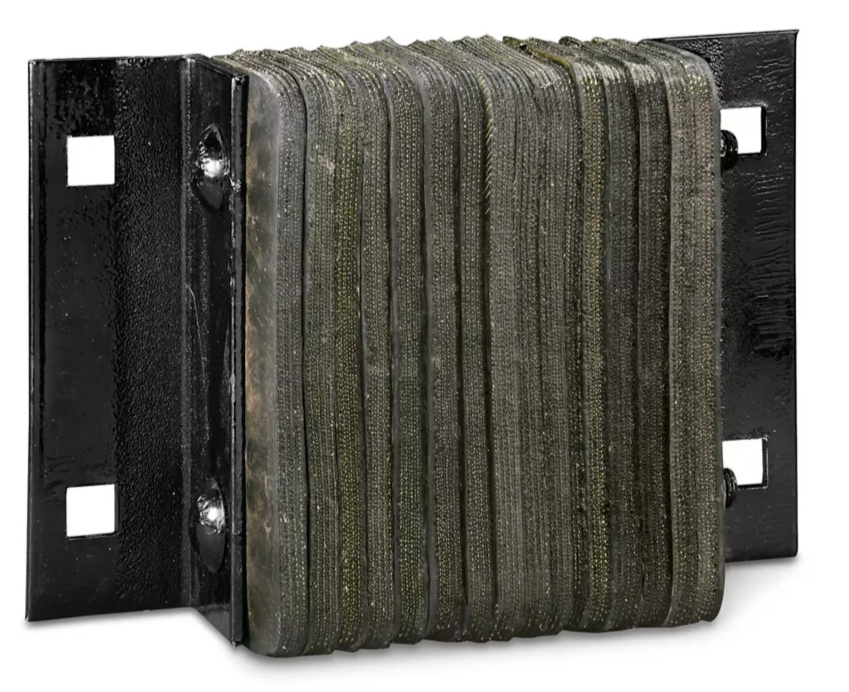
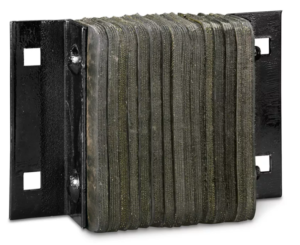
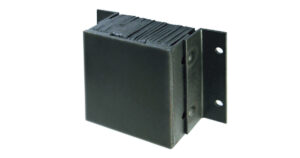
Laminated dock bumpers are manufactured from layers of recycled truck and bus tire rubber compressed on heavy-duty steel rods. This construction creates a highly durable bumper capable of absorbing repeated impacts over many years of service. Because of their strength and longevity, laminated dock bumpers are the most common choice for warehouses, manufacturing facilities, and distribution centers.
Molded dock bumpers are manufactured from fiber-reinforced rubber compounds molded into a single solid piece. They are commonly used in lighter-duty applications and are often selected as replacement bumpers for dock levelers. While molded dock bumpers provide effective protection in lower-traffic environments, they generally do not offer the same level of durability as laminated bumpers in demanding industrial applications.
For most industrial facilities, laminated dock bumpers are considered the preferred choice due to their proven performance and long service life.
Step 3: Determine the Proper Dock Bumper Projection
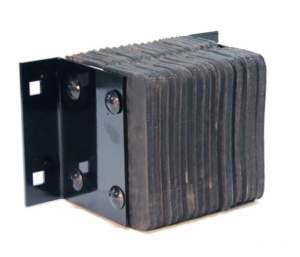
Dock bumper projection refers to how far the bumper extends from the dock face. It is one of the most important factors to consider when selecting a dock bumper.
For most loading docks with level approaches, a 4-inch projection is considered the industry standard. This size provides adequate stand off distance for most trailers while protecting dock equipment and building structures from impact.
However, not every loading dock can use a standard 4-inch bumper. Facilities with dock seals, canopies, recessed dock positions, or unusual trailer conditions may require additional projection. If a bumper does not extend far enough from the dock face, trailers may contact dock seals, shelters, dock levelers, or even portions of the building itself.
Selecting the proper projection is critical because an undersized bumper often creates more problems than it solves.
Step 4: Evaluate Dock Approach Conditions
The approach leading to a loading dock has a significant impact on bumper selection.
A dock with a level approach generally allows standard dock bumpers to perform as intended. However, facilities with declined approaches often require additional protection because trailers back downhill toward the building. As the grade increases, the trailer moves closer to the dock face, increasing the likelihood of impact damage.
In these situations, extra thick dock bumpers or increased projection may be required to maintain the proper stand off distance. Facilities with steep declines frequently need specialized bumper configurations to prevent damage to dock equipment and building structures.
Although inclined approaches typically create fewer issues, they should still be evaluated when selecting dock bumpers. Understanding how trailers actually position themselves at the dock is one of the best ways to determine whether additional protection is needed.
Step 5: Consider Trailer Movement During Loading
Many facility managers focus on trailer impact when a truck backs into the dock. In reality, some of the most damaging wear occurs after the trailer is already parked.
Forklifts entering and exiting trailers cause trailers to move up and down throughout the loading process. Air ride suspension systems can also contribute to vertical movement as trailer weights change during loading and unloading.
This movement creates friction between the trailer and the dock bumper. Over time, constant rubbing can wear away bumper material and shorten service life. If dock bumpers are wearing out faster than expected, trailer movement is often a contributing factor that should be investigated.
Step 6: When Should You Use Steel Face Dock Bumpers?
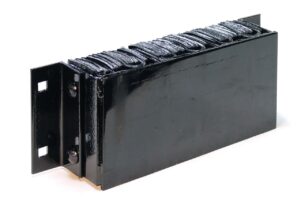
Steel face dock bumpers are designed specifically for applications where excessive friction occurs due to trailer movement. These bumpers feature a heavy-duty steel plate mounted to the face of a laminated dock bumper. The steel plate protects the rubber from abrasion while still allowing the bumper to absorb impact energy.
Steel face dock bumpers are commonly found in distribution centers, cross-dock facilities, high-volume warehouses, and operations utilizing air ride trailers. They are also frequently recommended for facilities that use yard jockeys to move trailers throughout the day.
If standard laminated dock bumpers are wearing out prematurely, upgrading to steel face dock bumpers may dramatically extend service life and reduce replacement costs.

Step 7: Understand the Impact of Yard Jockey Operations
Facilities utilizing yard jockeys or shunt trucks often experience more severe dock bumper wear than facilities relying exclusively on over-the-road drivers.
Yard jockeys move trailers repeatedly throughout the day and often back trailers into position more aggressively. This creates additional impact forces and increases friction between the trailer and the dock bumper.
As a result, many large distribution centers use steel face dock bumpers, heavy-duty laminated bumpers, or increased bumper projection to better withstand these demanding operating conditions. When evaluating a dock bumper application, understanding who is moving the trailers can be just as important as understanding how many trailers visit the dock each day.
Step 8: Consider Trailer Impact Height
Not all trailers contact the dock at the same height. Trailer suspension, trailer design, refrigerated trailers, container chassis, and loading conditions can all affect impact points.
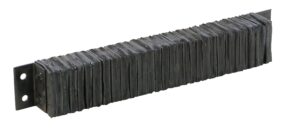
Facilities serving a wide variety of trailers may require additional vertical protection to prevent damage above or below the primary impact zone. This is one reason extra length dock bumpers are commonly used at facilities with dock seals or varying trailer heights.
When trailer impact points vary significantly, vertical dock bumpers or extended-height bumpers may provide better protection than standard bumper configurations. Evaluating trailer impact height is often overlooked, but it can play a major role in selecting the proper dock bumper system.
Step 9: Consider the Rest of the Loading Dock System
Dock bumpers should never be selected independently of the rest of the loading dock system. Everything works together.
Equipment such as dock levelers, dock seals, dock shelters, trailer restraints, and dock lifts can all influence bumper placement and projection requirements. Installing new equipment without considering bumper protection can create unexpected clearance issues and increase the risk of damage. We furnish a wide range of replacement dock leveler and vehicle restraint parts at true wholesale pricing.
For this reason, bumper selection should always be evaluated alongside the rest of the loading dock design.
Common Dock Bumper Selection Mistakes
Many loading dock problems can be traced back to improper bumper selection. One of the most common mistakes is choosing a dock bumper based solely on price. While inexpensive bumpers may reduce upfront costs, they often wear out faster and provide less protection in demanding applications.
Another frequent mistake is overlooking trailer movement. Facilities with air ride trailers, forklifts, or yard jockey operations often require more robust bumper protection than initially expected. Approach conditions are also commonly ignored. A dock with a declined approach may require significantly more bumper projection than a facility with a level approach.
Finally, many facilities wait too long to replace worn dock bumpers. By the time structural damage becomes visible, repair costs often exceed the cost of replacing the bumpers months earlier.


Signs Your Dock Bumpers Need Replacement
Dock bumpers should be inspected periodically as part of a routine maintenance program. Common signs that replacement may be needed include cracked rubber, excessive compression, exposed steel rods, bent mounting hardware, and visible damage to surrounding dock structures. Missing rubber sections and severe wear are also indicators that the bumper is no longer providing adequate protection.
Replacing dock bumpers before complete failure can help prevent costly damage to dock equipment and building structures.
Frequently Asked Questions
What is the most common loading dock bumper size?
The most common dock bumper projection is 4 inches. This size provides adequate protection for most loading docks with level approaches.
Are laminated dock bumpers better than molded dock bumpers?
For most industrial applications, laminated dock bumpers provide greater durability and impact absorption than molded dock bumpers.
When should steel face dock bumpers be used?
Steel face dock bumpers are recommended when excessive friction occurs due to trailer movement, air ride trailers, yard jockey operations, or high trailer traffic.
How long do dock bumpers last?
Service life varies depending on traffic volume, operating conditions, and bumper style. High-quality laminated dock bumpers can provide many years of reliable service.
Are dock bumpers mounted to the building or trailer?
Dock bumpers are permanently mounted to the building structure and are designed to protect the loading dock from trailer impact.
Final Thoughts
Selecting the right loading dock bumper involves much more than choosing a standard size and bolting it to the wall. Traffic volume, trailer movement, dock approach conditions, impact height, and existing dock equipment all influence the proper solution.
By understanding how your loading dock operates and evaluating these factors carefully, you can select a dock bumper system that reduces maintenance costs, improves safety, protects valuable equipment, and extends the life of your loading dock investment.
If you need assistance selecting laminated dock bumpers, molded dock bumpers, steel face dock bumpers, extra thick dock bumpers, wheel chocks, or other loading dock equipment, Midwest Material Handling can help evaluate your application and recommend the best solution for your facility.
