


A Common Installation Mistake That Leads to Loose Dock Bumpers and Costly Repairs
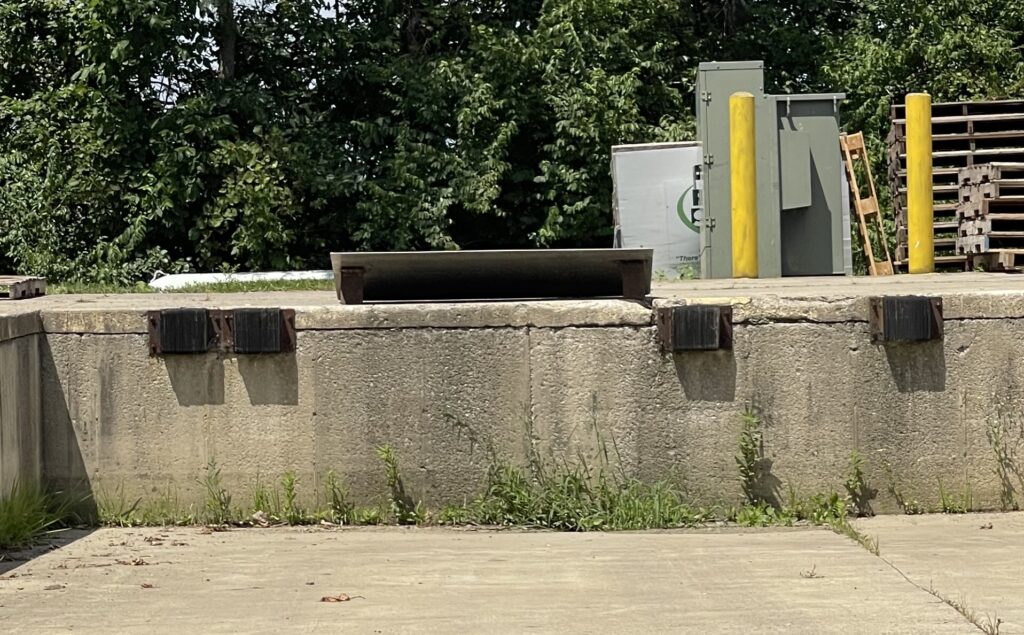
Sometimes a single photograph tells the whole story. When we looked at the loading dock pictured above, one problem immediately stood out. The laminated dock bumpers had been mounted directly to the concrete using expansion anchors. No welded connection. No attachment to structural steel. Just concrete anchors.
Unfortunately, this is more common than you might think!
At first, this type of installation may appear perfectly acceptable. The bumpers are straight, tight against the dock and seem secure. The problem isn’t apparent on the day they’re installed. The problem develops after hundreds or even thousands of trailers back into the loading dock.
Every trailer impact creates vibration and shock loading. Over time, those repeated impacts begin to loosen the concrete anchors. Once the bumper starts moving, every impact makes the problem worse until the bumper eventually pulls away from the dock. For traditional steel faced laminated dock bumpers, this is simply not the correct installation method.
Why Dock Bumpers Should Never Rely Solely on Concrete Anchors
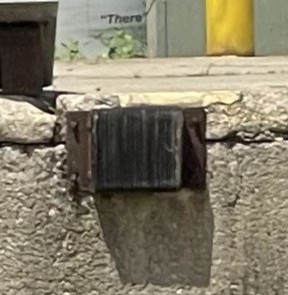
Unlike many products mounted to concrete, dock bumpers don’t support a static load. They absorb repeated impact loads every day. Every trailer that backs into the dock transfers thousands of pounds of force into the bumper. Those impacts occur over and over again throughout the life of the loading dock.
When a dock bumper is attached only with concrete anchors, the repeated vibration gradually works those anchors loose. Once even a small amount of movement develops, the process accelerates. Eventually, the bumper becomes loose or completely separates from the dock. Not only does the bumper fail, but the concrete around the anchors is often damaged as well.
Loading Docks Were Designed for Welded Dock Bumpers
Many people don’t realize that most loading docks were originally designed with this application in mind. Before the concrete dock is poured, a heavy steel angle, commonly called an angle coping, is embedded along the front edge of the dock. That exposed steel serves two important purposes.
First, it protects the concrete edge from chipping and deterioration caused by forklifts and trailer traffic. Second, it provides a structural steel mounting surface for loading dock equipment, including dock bumpers.
When traditional dock bumpers are installed correctly, the upper mounting plate is welded directly to this embedded steel angle. The lower mounting hole may also be secured with a concrete anchor, but the welded connection carries the repeated impact loads while the lower anchor helps stabilize the bumper. That welded connection is what prevents movement and vibration.
What If the Original Angle Coping Is Missing?
Not every loading dock still has usable angle coping. Older facilities may have damaged steel, previous concrete repairs or modifications that eliminated the original welding surface. That doesn’t mean the answer is to simply drill more holes into the concrete. A common solution is to install a heavy steel approach plate.
An approach plate is typically about 12 inches deep and 8 feet long and is securely anchored to the loading dock. We recommend using steel thicker than 1/4 inch because it provides a larger, stronger welding surface that stands up to years of repeated trailer impacts. Once the approach plate is installed, the upper mounting plate of the dock bumper is welded directly to the steel plate. A single concrete anchor is then installed through the lower mounting plate to stabilize the bumper.
The theory is simple. The welded connection keeps the bumper rigid and prevents vibration. The bottom anchor provides additional stability, but it is no longer carrying the repeated impact loads by itself. The result is a much stronger installation that will significantly outlast a bumper mounted only with concrete anchors.

A Single Flange Dock Bumper Makes Installation Easier
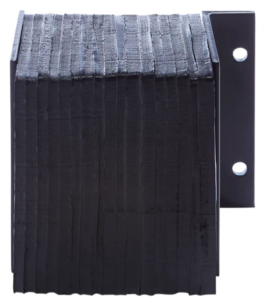
Not all dock bumpers are designed the same. Many traditional laminated dock bumpers have mounting angles on both sides. While these work well in many applications, they don’t always provide the best solution when a steel approach plate is required. For this type of installation, we recommend a single flange dock bumper.
A single flange design provides one continuous steel mounting surface that can be welded directly to the angle coping or steel approach plate. Instead of trying to weld around multiple mounting angles, the installer has a full steel flange that creates a stronger, cleaner weld. When combined with a properly installed steel approach plate, the single flange design produces a rigid connection that helps eliminate movement and vibration. A single concrete anchor at the bottom of the bumper can then be used to stabilize the installation, while the welded flange carries the repeated impact loads from backing trailers.
It’s a simple design, but one that makes installation easier and provides a stronger, longer-lasting mounting method.
The Same Principle Applies to Edge of Dock Levelers
This concept isn’t limited to dock bumpers. The same philosophy is commonly used when installing an edge of dock leveler on a loading dock that no longer has exposed angle coping. Rather than depending entirely on concrete anchors, a steel approach plate provides a structural mounting surface that allows the leveler to be welded securely to steel.
Whether it’s a dock bumper or an edge of dock leveler, the goal is the same. Create a rigid steel to steel connection that minimizes movement and prevents vibration from loosening the mounting hardware over time.
The Photo Says It All
The loading dock shown above is an excellent example of how not to install traditional dock bumpers. The bumpers have been fastened directly to the concrete with expansion anchors and have no welded connection to structural steel. Unfortunately, this type of installation is more common than many facility managers realize.
While it may seem like a quicker installation, it often leads to loose bumpers, damaged concrete and premature failure. Taking the time to mount the bumper to structural steel, whether that’s the original embedded angle coping or a properly installed steel approach plate, results in a much stronger and longer lasting installation.
Looking for Replacement Dock Bumpers?
Midwest Material Handling supplies high quality laminated dock bumpers, steel faced dock bumpers and a variety of loading dock safety products for facilities throughout Ohio.
While we no longer install them, we’re happy to help you select the correct dock bumper for your application and answer questions about proper installation methods so your investment provides years of reliable protection.
